Walk a Pasadena block at dusk and you see two storied traditions share the same glow. Craftsman bungalows with broad porches and chunky beams feel grounded and warm. Spanish Colonial homes with whitewashed stucco, arches, and clay tile read softer and more theatrical. The right outdoor lighting lets each style whisper its own history, while meeting very current needs in a Southern California climate, from drought tolerant landscapes to hillside paths and long dry seasons.
This is where style sense meets site sense. You are balancing architecture, garden structure, light quality, and practical details like voltage, corrosion resistance, and code. After years lighting homes from Bungalow Heaven to San Marino, I find the best results come from a handful of steady principles, tested on real properties, then tuned for each facade and plant palette.
Start with what the architecture is already saying
Craftsman architecture rewards honest materials and low, human scaled light. You want a warm, hospitable perimeter, not a dramatic stage set. Spanish Colonial asks for sculpted light that skims stucco, pools in courtyards, and accents wrought iron. Each style has its cues baked in, and you can take advantage of them.
For Craftsman, I look for places to echo joinery lines and textures. A cedar beam, a river rock pier, a rafter tail, each can take a subtle wash. Path lighting tends to be modest in height and arranged in gentle zigzags that echo garden beds. Lanterns near the front door should feel substantial but not shout. When I up-light a mature oak on a Craftsman property, I often choose a warmer 2200 to 2700 Kelvin lamp to sit well with the amber glow from the porch.
Spanish Colonial responds to grazing and shadow play. A narrow beam that skims a plaster wall reveals the trowel marks and curves. Niches, arches, and tile risers come alive with small, well concealed sources. A moonlight effect in a courtyard, placed high in a jacaranda or olive, can make the white walls read like paper lanterns.
The character of light matters more than fixture quantity
Light quality, not wattage, builds atmosphere. In Southern California, outdoor evenings are long for nine months of the year. You live with your lighting. It should flatter skin tones, make materials look rich, and keep glare out of your eyes.
Color temperature sets the mood. In Pasadena, I specify 2200 K for fire pit seating, historic porches, and Craftsman lanterns, 2700 K for general path and garden lights, and 3000 K only for security zones, driveways, or where we need a little punch on large trees or tall facades. Mixed color temperatures can be effective, but keep the palette tight. If your indoor lighting is 2700 K and pours onto the porch, match it outside so the transition feels natural.
Brightness is second. For paths, 100 to 200 lumens per fixture is usually plenty. For up-lighting small to medium trees, 300 to 600 lumens with a 24 to 36 degree beam works well, while massive canopies may need 900 lumens from a slightly narrower 15 to 24 degree optic to throw light up through the structure. For wall grazing on Spanish Colonial stucco, I often use 200 to 400 lumens from a tight 10 to 15 degree optic set close to the wall to keep the base bright and let the beam taper.
High quality LEDs pay off. An 80 plus CRI is a must, 90 CRI if you want terracotta, brick, and cedar to look rich rather than flat. Integrated LED fixtures with replaceable light engines have matured. Still, I keep critical locations lamp based when the architecture suggests a classic lantern, so a homeowner can swap to a warmer 2200 K or dim-to-warm lamp later without changing the fixture.
Materials and finishes that age with the house
Weather in Pasadena is kinder than the coast, but heat, UV, Santa Ana winds, and irrigation overspray still test fixtures. I have replaced too many aluminum path lights that chalked in three summers. Brass and copper survive. Powder coated, marine grade metals resist UV better. If you are in La Cañada Flintridge or Altadena foothills, look for gaskets that keep dust and spiders out, and posts that can tolerate a little soil movement.
For Craftsman, oil rubbed bronze and aged brass read as a natural extension of the palette. For Spanish Colonial, hand forged iron looks right, but in the garden I often use cast brass with artificial turf installation cost a dark bronze finish for longevity, then specify decorative iron only where you can maintain it easily, like a covered entry. When a client wants black on a sun baked south wall, I nudge them to a deep, soft charcoal, which absorbs heat less aggressively and weathers better.
Entry lanterns, porches, and the scale test
Front doors set the tone and deserve a little math. A common rule of thumb says a wall sconce at an entry should be about one quarter the height of the door. With a typical 80 inch door, that points to a 20 inch lantern. For double doors or a deep recess, 28 inches does not feel too grand. Mount height matters. Aim for the center of the fixture near 66 to 70 inches above finished grade, adjusting to clear trim details and ensure the glow spreads across the threshold.
Craftsman porches often have twin lanterns flanking the door and a semi flush ceiling light. Use frosted glass or seeded glass to avoid hotspot glare from LED filaments. Spanish Colonial entries like a single larger lantern, sometimes pendant hung in an arch. I often add a small recessed puck over the latch side for task light on keys, dimmed to 30 percent most nights.
Dimmers and smart control extend your options. Astronomical timers that track sunrise and sunset work better than photocells under deep porches that never see enough sky. Many landscape transformers now integrate with Wi Fi, so you can set weekend scenes, dim certain zones, or shift for daylight saving time without walking to the garage.
Path lighting design for Pasadena front yards
Paths are where safety, style, and plants meet. Most of the time, the best path lighting is not on the path. It lives in the planting beds, set back 12 to 24 inches, and tucks just below shrub height. That allows the light to wash across, show texture, and avoid a runway look.
In a Craftsman front yard, I pull path fixtures closer to the shrubs and keep fixture style simple, with a flat cap or shallow hat that throws even light. Spacing typically ranges from 5 to 8 feet. If the path curves around river rock or a sandstone boulder, a grazing light at the rock takes the place of a dedicated path light and looks intentional.
A Spanish Colonial front yard often has a straight walkway to a formal entry, sometimes with low stucco garden walls. Here, I lean on wall lights with integrated LEDs set into the caps, a foot or two on center depending on wall height, to create a line of soft marks. If no wall exists, I will use a similar spacing to classic path lights but with a more romantic shape, and I add a subtle uplight at an olive or cypress to draw the eye toward the door. The combination avoids monotony.
How to light mature trees without flattening them
Mature trees are a Pasadena signature. Coast live oaks, liquidambars, olives, camphors, the list is long. A single uplight from the trunk washes the canopy, but it often collapses depth. I like to use two to three fixtures per large tree and vary the angles. One tight beam at the structure from 5 to 8 feet out picks up the architecture of the trunk and primary limbs. A medium beam at the drip line lifts the outer canopy. If the tree sits in a front yard viewed from the street, a gentle cross light from the far side can even the effect.
On Spanish Colonial properties, a narrow spot from below an arching branch creates shadow lace on adjacent walls. On Craftsman lots, a warmer lamp with a wider beam reads like comfortable firelight. In both cases, shields and louvers make the difference between drama and glare. Pasadena neighborhoods are walkable. Keep stray light out of your neighbor’s bedroom and off the sidewalk.
Low voltage vs line voltage for Pasadena properties
Most residential landscape lighting in Southern California runs on 12 volt low voltage systems. They are safer to install in gardens, easier to adjust, and code friendly. Low voltage also fits the finer control we want for architectural styles that benefit from nuanced scenes.
Line voltage, usually 120 volt, still has its place. Long runs on large estates, very tall palms or eucalyptus that need fixtures at 30 to 40 feet, and certain wall mounted lanterns call for line voltage feeds. It costs more to install because of conduit, junction boxes, and stricter burial depths, but the output can punch where needed.
I spec multi tap transformers on long low voltage runs, especially in hillside yards where you may have 120 feet from transformer to last fixture. Tapping at 12 to 15 volts lets you balance for voltage drop and prevent dim, yellowed lamps at the far end. Heavy gauge cable, 10 or 12 AWG, reduces drop too. When a client is choosing between low voltage and line voltage landscape lighting for Pasadena properties, we mock up a few fixtures at night, then run the numbers on trenching and control options. Nine times out of ten, robust low voltage with smart control wins on flexibility and total cost.
Dark sky and neighbor friendly choices
Pasadena does not have the rural darkness of the Sierra, but we still owe the skies and each other some care. Use shielded fixtures with full cutoffs where possible. Keep uplights aimed into foliage or onto walls, not into open air. Choose 2700 K maximum for general use, 2200 K in sensitive habitat at the edge of the Arroyo or near the foothills. Those warmer sources attract fewer insects and feel calmer in summer heat.
California’s Title 24 rules lean on efficacy and automatic shutoff. Most outdoor decorative fixtures with integrated LED meet the efficiency piece. Add timers or vacancy sensors to security and service areas to satisfy shutoff. For purely decorative historic lanterns at the door, let the house lights carry more of the footcandle load so the lanterns can run low and lovely.
Bringing gardens and hardscape into the scene
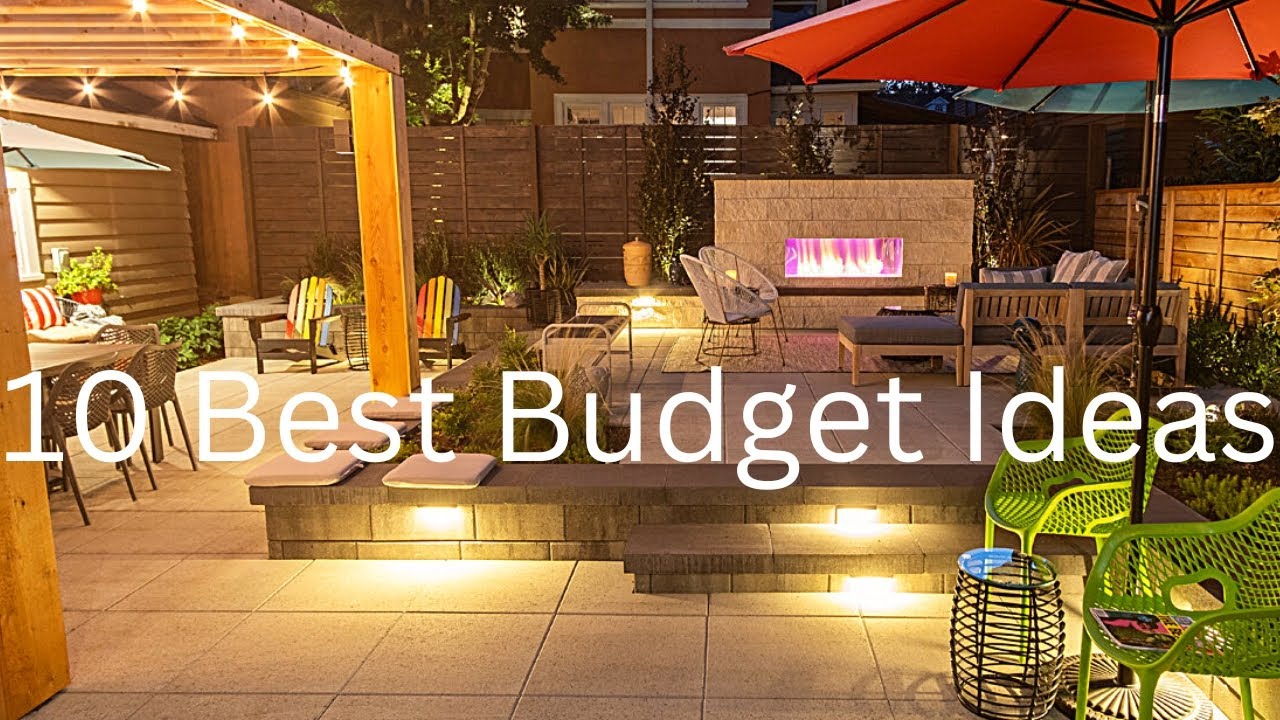
Both Craftsman and Spanish Colonial homes gain character from hardscape. In a Craftsman setting, stone piers, brick paths, and heavy timber pergolas crave a gentle wash that reveals texture. On a Spanish Colonial property, stucco garden walls, tiled risers, and courtyard fountains want focused accent. Integrating hardscape lighting during construction avoids awkward conduits later. If you are choosing pavers for a Pasadena patio or debating paver patio vs concrete patio, think about integrated lighting. Slim LED paver lights along a seat wall, or lights under the lip of a coping, elevate an evening gathering without portable lamps.
Hillside lots across Pasadena and La Cañada Flintridge also benefit from retaining wall lighting. Low glare linear LEDs recessed into the wall cap can double as wayfinding on switchback steps. The best retaining wall materials for Pasadena hillside homes, from split face block to cast in place concrete, all accept fixtures if you plan conduits and junction boxes before the pour.
A quick palette guide for each style
- Craftsman: oil rubbed bronze or aged brass fixtures, warm 2200 to 2700 K lamps, seeded or opal glass, flat hat path lights, square lanterns with visible structure. Spanish Colonial: dark bronze or charcoal fixtures, 2200 to 2700 K with some 3000 K accents on tall palms, clear glass or open ironwork, petite accents in niches, lanterns with curved cages. Shared essentials: brass or copper construction for longevity, frosted lenses to soften hotspots, replaceable LED modules or trusted lamp brands, high CRI 90 where wood and tile dominate, glare control via shields and louvers. Coastal influence without the coast: powder coated finishes to resist UV, 316 stainless fasteners, sealed gaskets against dust and overspray, aim to avoid sprinkler hits altogether. Color discipline: keep the home, hardscape, and garden within a 2200 to 3000 K window, with most scenes anchored at 2700 K for harmony between indoors and out.
Case notes from two local homes
A 1915 Craftsman in Bungalow Heaven had classic clinker brick piers and a deep porch with a beadboard ceiling. The owner wanted better visibility on the steps and less glare from the neighbor’s security flood. We replaced the porch fixtures with two 18 inch bronze lanterns using 2200 K dimmable lamps and added a low profile bronze downlight tucked into the porch beam, aimed at the risers. In the garden, five brass path lights with flat caps set in the planting beds, 6 feet apart, were enough to guide the walk without overpowering the glow from inside. Two 300 lumen uplights with 36 degree beams at the base of the central oak filled the canopy. The neighbor’s flood became irrelevant because the eye gravitated to the warm porch.
A 1929 Spanish Revival in San Marino had white stucco, blue tile at the entry, and a curved courtyard. The previous owner had installed bright, cool white floodlights that washed everything to a pallor. We pulled those and grazed the front facade with three narrow beam uplights placed 12 inches from the wall, angled to catch the arch reliefs. A small 1 watt recessed step light went into each second stair riser in the courtyard, just enough to read the tile, and a pendant lantern hung within the entry arch. Two olive trees got a 3000 K narrow spot from the ground to make their silver leaves sparkle against the white. Most of the system ran at 2700 K, but that tiny bit of 3000 K at the olives gave the courtyard life. The whole installation came in at under 120 watts, less than two old floodlights.
Smart control, zoning, and maintenance
Scene control is not only a party trick. On hot nights, dimming lighting by 20 percent lowers perceived heat. With smart irrigation systems for Pasadena homes increasingly common, pairing lighting zones to outdoor living areas makes scheduling simple. I often split systems into front facade, paths and steps, trees, and entertaining areas. An astronomical timer brings up paths and entries at sunset. Trees rise a half hour later. Entertainment zones stay off until you select a scene by app or a discreet wall button by the back door.
LED fixtures last, but they are not set and forget. Aim points drift with growth and wind. In Pasadena, I recommend a fall landscape preparation visit to clean lenses, trim shrubs off fixtures, and adjust tree uplights after the summer flush. Spring garden maintenance is a good time to recheck transformer taps if you have added any fixtures or extended runs. If you are maintaining a drought tolerant landscape, keep mulch pulled back 4 inches from fixtures to avoid heat buildup and to leave breathing room for gaskets.
Safety and wildfire sense on the edges
Some Pasadena and Altadena properties sit near the wildland urban interface. Wildfire smart landscaping practices apply to lighting too. Avoid fixtures tucked into dry grasses or against wood fences. Choose metal stakes over plastic, keep cabling in metal conduit where it crosses combustible mulch, and use 2200 K lamps that draw fewer insects to eaves. Security illumination should be shielded, motion activated, and sized to the task. A 900 lumen flood aimed properly at a side gate works better than two unshielded 3000 lumen LEDs that wash the neighbor’s bedroom.
Budget, phasing, and where to spend
Not every project starts fully built. I often phase landscape renovation ideas for Sierra Madre and Arcadia properties over two or three seasons. If budget is tight, spend first at the front entry and on safety lighting for steps. Second, light one or two specimen trees and any house numbers or driveway markers. Third, layer in path and garden accents. Pull empty conduits under future paths or walls before hardscape work. When choosing the best hardscape materials for Southern California homes, ask how easily each will accept recessed lights or concealed conduits. A small planning move saves money later.
Expect a quality low voltage system for a medium sized Pasadena yard to land between 6,000 and 15,000 dollars, including a brass fixture package, multi tap transformer, smart control, and professional installation. Complex hillside lots with long cable runs and retaining wall integrations can reach higher. The monthly energy cost tends to be modest. A 150 watt LED system, run 5 hours a night, costs under 3 dollars a month at 40 cents per kWh.
Common mistakes to avoid
Overlighting is first on the list. If you can see the source, you are probably seeing too much. Tilt heads and add shields. Mixing too many fixture styles comes next. Two to three families is a good limit for a single property. Neglecting beam spreads is another. A medium 36 degree beam that looks perfect on a small olive turns a tall cypress into a mottled stripe. Choose a 10 to 15 degree spot there, and place it far enough to let the beam open.
Voltage drop bites many DIY installs. If your last path light is dimmer than the first, rework the run, add a hub and spoke layout, and use heavier gauge cable. For Spanish Colonial walls, avoid placing fixtures too far from the surface. The drama of grazing comes from tight placement and precise aim. For Craftsman porches, avoid cool white lamps in lanterns. Even a beautiful fixture reads cheap with the wrong color.
Planning and installation essentials in five steps
- Walk the property at night and photograph the architecture from the street, the walk, and the porch. Mark where your eye wants to go first, then find what needs help. Test with temporary fixtures. A 12 volt transformer, a few stake spots, and a couple of path lights let you see beam spreads and color on your actual materials. Draw a simple zone plan: entry and porch, paths and steps, trees, facade accents, entertaining. Label color temperatures and estimated lumens for each zone. Choose durable fixtures and a multi tap transformer. Specify cable gauge for the longest run, plan hubs, and include spare capacity for future fixtures or a pergola. Install with glare control in mind. Aim, shield, and dim until you stop noticing the fixtures and start noticing the house and garden.
Tuning to climate and landscape choices
The best landscaping ideas for the Southern California climate push you outdoors at night. Drought tolerant plants like ceanothus, manzanita, and sages sparkle with a little backlight, but they also grow fast. Space fixtures so you can reach them for cleaning and lamp changes. If you have replaced your lawn with drought tolerant plants, expect to tweak aim points twice in the first year.
If you are designing a low maintenance landscape in Pasadena, coordinate mulch depth and drip irrigation with fixtures. Keep emitters away from housings to limit mineral buildup on lenses. How to set up drip irrigation in a Pasadena garden and how often to water a drought tolerant garden in Pasadena are topics of their own, but the headline for lighting is simple. Dry lenses stay clear longer, gaskets last longer, and fixtures run cooler.
Pergola design ideas for Pasadena properties sometimes include bistro strings. Use them sparingly and on a separate zone with a dimmer. Permanent, low glare downlights tucked into rafters can handle most evenings. When you add an outdoor kitchen or a fire pit, balance task lighting with the warm, dynamic light of flame. The best outdoor kitchen materials for Pasadena climate reflect a little light without glare. Honed finishes, not polished, help.
Final checks before you call it done
Stand on the sidewalk and squint. The house should feel cohesive, not scattered. Walk the paths. If a fixture catches your eye, it needs a shield, a dimmer tap, or a small move. Look into second story windows. Make sure uplights don’t hit glass. Verify transformer taps under load with a voltmeter. Document lamp specs and color temperatures on the inside of the transformer door, so future swaps match the scene you love.
Outdoor lighting that complements Craftsman and Spanish Colonial homes lives in the details. Crisp beam control on stucco. Warm lanterns on a deep porch. Tree light that shows structure, not just leaves. And all of it scaled to the human pace of Southern California evenings. Plan with restraint, build with materials that age well, and revisit once or twice a year. Your house will thank you every time the sun goes down.